

Introduction to Winter Dry Skin
Dry skin is commonly experienced during the winter season. The approach to improving dry skin in winter should include regular moisturizing. Cold air can reduce moisture around the skin. Low humidity can also cause water to be lost from the skin surface. As a result, roughness, tightness, itching, and flaking can be noticed.
The question of how to improve dry skin in winter can be answered through simple daily care. Extra moisture should be provided to the skin. Harsh products should be avoided. A gentle routine should also be followed regularly.
Indoor heating can make the air even drier. Additional moisture can therefore be needed during cold months. A proper routine can help the skin remain soft and comfortable. Improving dry skin in winter can be made easier with a simple daily routine.

Why Does Skin Become Dry in Winter?
Several factors can be responsible for winter dryness. Cold outdoor air contains less moisture. Frequent exposure to cold weather can make dryness more noticeable.
Hot water can create another problem. Natural oils can be removed when very hot water is used. The skin barrier can then become weaker. More moisture can be lost after bathing.
The how-to improve dry skin in the winter routine should therefore include gentle cleansing and regular moisturizing. Very hot showers should be avoided. Lukewarm water should be preferred instead.
A Gentle Cleanser Should Be Used
A mild cleanser should be selected during winter. Fragrance-heavy products can also cause irritation for some people.
The face and body should be cleaned gently. Excessive rubbing should be avoided. A soft towel should be used after washing. The skin should be patted instead of being rubbed strongly.
The skin should not be left feeling extremely tight after washing. Moisturizing regularly is important for improving dry skin in winter.

Moisturizer Should Be Applied Regularly
Moisturizer should be used after cleansing. Better moisture retention can be achieved when it is applied while the skin is slightly damp. Creams and ointments can provide more moisture than very light lotions.
Ingredients such as ceramides, glycerin, and hyaluronic acid can be found in many moisturizing products. A suitable product should be selected according to individual skin needs.
Extra attention should be given to dry areas. Hands, elbows, knees, and feet can become especially dry during cold weather. Gentle cleansing can help with improving dry skin in winter.
Hot Water Should Be Avoided
Very hot water should not be used for bathing or face washing. Natural protective oils can be removed by excessive heat. More dryness can then be caused. Cold weather protection is also useful for improving dry skin in winter.
Lukewarm water should be used instead. Bathing time should also be kept moderate. After bathing, moisturizer should be applied without a long delay. The natural skin barrier can be protected when excessive heat is avoided. Softer and more comfortable skin can then be maintained throughout the winter.
A Humidifier Can Be Used Indoors
Dry air can be experienced during winter. Indoor air can become even drier when heating systems are used. Moisture can then be lost from the skin more easily. For this reason, a humidifier can be used inside the home. Extra moisture can be added to the surrounding air. A more comfortable environment can be created for dry skin.

The room should not be made extremely humid. A clean humidifier should be used regularly. The device should also be cleaned as directed. This can help prevent unwanted buildup from forming inside the device. For people wondering how to improve dry skin in winter, indoor humidity can be included as part of a simple skin-care routine.
Skin Should Be Protected from Cold Wind
Cold wind can make dry skin feel rough and uncomfortable. The skin barrier can be affected by repeated exposure to cold air. Extra protection should therefore be provided during outdoor activities. Soft scarves, gloves, and warm clothing can be used. Exposed areas should be covered when strong wind is present.
The face can also be protected when very cold weather is experienced. A suitable moisturizer can be applied before going outside. The lips should be covered with a protective lip product. These small steps can reduce direct exposure to cold air. As a result, improving dry skin in winter can be approached through both skin care and weather protection.
Exfoliation Should Be Reduced
However, frequent exfoliation can be unsuitable for very dry skin. Scrubbing can cause additional irritation when the skin barrier is already weak. Strong exfoliating products should therefore be avoided during periods of severe dryness. Improving dry skin in winter requires regular moisturizing.
A mild exfoliating product may be used less often when the skin can tolerate it. Scrubbing tools should not be used roughly. After exfoliation, a gentle moisturizer should be applied. The skin should be allowed to recover between exfoliation sessions. This approach can make improving dry skin in winter easier to manage without creating unnecessary irritation.
Lips Should Be Kept Moisturized
Dry lips are often experienced during cold weather. Cracking and peeling can develop when moisture is lost. A moisturizing lip balm can be applied several times during the day. A thicker product can be used before bedtime. Healthy skin-care habits should be followed for improving dry skin in winter.
The lips should not be repeatedly licked. Temporary moisture may be felt after licking, but increased dryness can follow. Fragrance-free products can be preferred when irritation is easily caused. Outdoor protection should also be provided with a suitable lip product. These habits can help improve dry skin in winter as part of complete winter care.
Hands and Feet Should Receive Extra Care
Frequent washing can remove natural oils from the skin. Cold air can then increase the feeling of dryness. A rich moisturizer should be applied after washing. Extra product can be placed on very dry areas.
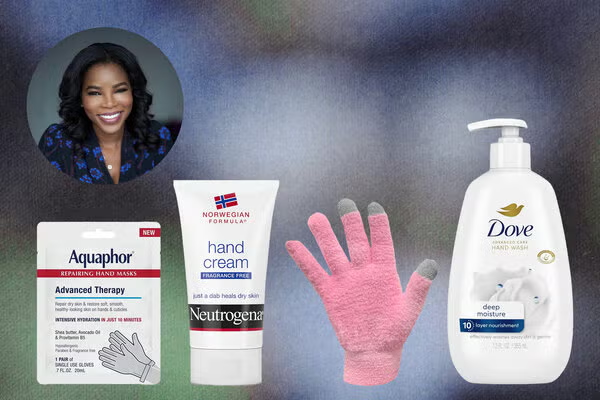
Cotton gloves or socks can be used at night after moisturizer has been applied. This can help the product remain on the skin for a longer period. Harsh soaps should also be avoided when possible. With these simple habits, improving dry skin in winter can be made easier through consistent daily care.
A gentle routine should be followed throughout the winter season. Sudden changes should not be made when the skin is sensitive. Products should be stopped if strong irritation develops. Professional advice should be considered when severe dryness, cracking, pain, or persistent irritation is experienced. Improving dry skin in winter can be supported by gentle skin care.
Ingredients That Can Support Dry Skin
Suitable ingredients should be selected when dry skin is experienced. Moisture should be added with products that are made for dry or sensitive skin. Ingredients such as glycerin, ceramides, and hyaluronic acid can be found in many moisturizing products. These ingredients are commonly included to support skin moisture. Improving dry skin in winter should be done with suitable products.
A product should be tested on a small area when a new ingredient is being used. Strong irritation should not be ignored. Products with many unnecessary ingredients can be avoided when the skin is easily irritated. For people learning how to improve dry skin in winter, suitable ingredients can be made part of a simple routine.
Creams and Ointments Can Be Preferred
Light lotions can sometimes be insufficient for very dry skin. Thicker creams can provide more moisture to dry areas. Ointments can also be considered when stronger protection is needed. These products can be especially useful for rough areas on the hands, feet, elbows, and knees.

A moisturizer should be applied while the skin is slightly damp. This can help moisture remain on the skin. Extra attention should be given to areas where cracking is commonly experienced. By using suitable textures, how to improve dry skin in winter can be approached more effectively.
Fragrance-Free Products Should Be Considered
Fragrance can be irritating for some people with sensitive or dry skin. Strongly scented products should therefore be avoided when irritation is easily caused. Fragrance-free cleansers, creams, and lotions can be selected instead. Improving dry skin in winter can be easier with lukewarm water.
Labels should be checked before a product is purchased. Products made for sensitive skin can be preferred when the skin barrier feels uncomfortable. A simple product list can also be maintained. Fewer products can make irritation easier to identify. This can support improving dry skin in winter without making the routine unnecessarily complicated.
Overnight Skin Care Can Be Helpful
Extra care can be provided before bedtime. A gentle cleanser can be used when needed. A rich moisturizer can then be applied to dry areas. A thicker cream can be placed on areas that feel especially rough. Improving dry skin in winter requires protection from cold wind.

Cotton clothing can be worn when additional comfort is needed. Tight or rough materials should be avoided if irritation is caused. Overnight care can be kept simple and consistent. Through this habit, improving dry skin in winter can be supported while the skin is allowed to remain moisturized for several hours.
A Simple Morning Routine Should Be Followed
A basic morning routine can be created for winter. The face can be cleaned gently when needed. A suitable moisturizer should then be applied. Sunscreen should also be used on exposed skin during the daytime. Lips can be protected with a moisturizing lip product. Improving dry skin in winter can be supported by using a humidifier.
The same routine should be followed regularly rather than changed every few days. New products should not be added all at once. This can make it easier to understand which products are being tolerated well. A consistent routine can make how to improve dry skin in winter easier to follow throughout the season.
Skin care should be kept gentle and simple during winter. Harsh products should be avoided when dryness or irritation is present. If severe cracking, bleeding, swelling, or persistent irritation is experienced, professional medical advice should be considered.
Healthy Habits Should Be Maintained
A healthy daily routine should be maintained during winter. Enough rest should be taken so that the body can recover properly. Regular sleep should also be maintained as much as possible. Stress should be managed through simple and relaxing activities. Improving dry skin in winter should include regular lip care.

A balanced lifestyle can support overall well-being. Meals containing different food groups should be included. Fresh fruits and vegetables can also be added to regular meals. These habits can help improve dry skin in winter as part of a complete winter-care routine.
Adequate Fluids Should Be Maintained
Adequate fluid intake should be maintained throughout the day. Water should be taken regularly rather than being avoided because of cold weather. Warm drinks can also be included when they are suitable.
Very sugary drinks should not be relied on as the main source of fluids. A balanced approach should be followed instead. When regular hydration habits are maintained, improving dry skin in winter can be supported along with other external skin-care steps.
Common Winter Skin-Care Mistakes Should Be Avoided
Several common mistakes can make winter dryness worse. Very hot showers should be avoided. Strong soaps should also be avoided when irritation is experienced. Excessive scrubbing should not be performed on dry areas.
Moisturizer should not be skipped simply because the weather is cold. Don’t forget sunscreen in winter. Wet skin should not be rubbed harshly with a towel. Instead, the skin should be patted gently.
Too many new products should not be introduced at the same time. A simple routine can be followed more easily. By avoiding these common mistakes, improving dry skin in winter can become a more manageable daily process.
When Professional Advice Should Be Considered
Most mild winter dryness can be managed with gentle skin care. However, professional advice should be considered when dryness becomes severe. Seek medical attention if you have painful cracks, bleeding, swelling, or persistent redness. Improving dry skin in winter can be helped by avoiding harsh soaps.

A persistent rash should not be ignored. Severe itching should also be discussed with a healthcare professional. If normal skin-care steps are not providing enough comfort, a suitable treatment plan may be recommended. Improving dry skin in winter can be supported with overnight moisturizing.
The cause of persistent dryness can be assessed by a qualified professional. Appropriate products or treatments can then be suggested. This can be especially important when an underlying skin condition is suspected. Therefore, how to improve dry skin in winter should include professional care when simple home care is not enough.
Final Thoughts on Winter Skin Care
Winter dryness can be managed with simple and consistent habits. Gentle cleansing should be followed. Suitable moisturizers should be applied regularly. Cold wind should be avoided when possible. Lips, hands, and feet should receive extra protection.
Harsh products and excessive exfoliation should be avoided. A comfortable indoor environment should also be maintained. Healthy daily habits should be continued throughout the winter.

A simple routine can be followed instead of using too many products. Changes should be made slowly when needed. With regular care, improving dry skin in winter can be approached in a practical and simple way.
Winter skin care should be treated as a daily habit rather than a temporary solution. Consistency should be maintained, and professional advice should be sought when serious or persistent symptoms are noticed.