

Sleep is very important for how we feel each day, both in our bodies and in our minds. Learning how to improve sleep naturally can help people develop healthier sleeping habits. When we get good sleep, it is easier to focus, have energy, complete our daily tasks, and feel good in the morning. Many people have difficulty sleeping at times, especially if their schedule is not regular or if they are thinking about things when they go to bed. If you want to know how to sleep better naturally, starting with regular habits is a good idea.
Natural ways to sleep better often include making our sleep space comfortable, going to bed and waking up at the same time every day, doing quiet activities in the evening, and having healthy habits during the day.
One simple way to sleep better naturally is to go to bed and wake up at the same time every day. This helps our bodies adjust to a regular rhythm. Try to keep this schedule even on weekends, not just on weekdays. With time, going to bed will feel more natural. If you want to change your sleep schedule, it might be easier to do it gradually rather than all at once.
The room where we sleep can also influence how easily we fall asleep. Many people want to understand how to improve sleep naturally without depending on sleeping pills.

A quiet, dark, and comfortable room can make it easier for us to relax. Some people sleep better when the room is a little cool, while others prefer it warmer. Try different temperatures, bedding, lighting, and noise levels to see what feels best for you. It also helps to use our bedrooms only for sleep, so our minds can connect the room with sleeping. These changes can make a big difference when we are trying to figure out how to sleep naturally.
Light is another important factor to consider.
Being in light during the day helps our bodies know what time it is. Going outside or sitting near a window during the day can help us feel more awake. Then, as bedtime approaches, we can make our homes quieter and dimmer. We can turn down the lights. Avoid looking at bright screens before bed if they keep us awake. Paying attention to light throughout the day is a part of learning how to sleep better naturally.
What we do in the evening can also make a difference. Knowing how to improve sleep naturally can make it easier to establish a relaxing bedtime routine.
Instead of going straight to bed after work, studying, or playing games, give ourselves some quiet time to relax. We can read a book, listen to music, take a warm shower, stretch, or practice deep breathing. Choose activities that make us feel calm, not excited. Having a regular evening routine can help us prepare for sleep. It is a good idea when we are trying to sleep better naturally.

We should also consider caffeine. One of the best ways to learn how to improve sleep naturally is to follow a consistent sleep schedule.
Coffee, tea, and some other drinks contain caffeine that can stay in our bodies for a while. People are affected by caffeine in different ways. If we notice that caffeine keeps us awake, we might want to drink it in the morning. We don’t have to stop drinking our coffee, but we can pay attention to when we drink it. Knowing how caffeine affects us can help us make better choices when we are trying to sleep better naturally.
Eating meals close to bedtime can also be uncomfortable for some people. Understanding how to improve sleep naturally starts with creating a comfortable and peaceful sleeping environment.
If eating late makes us feel too full, we can try eating our meal earlier. If we get hungry before bed, a small snack might be better than going to bed very hungry. Some foods can be uncomfortable for us, so it helps to pay attention to how they make us feel. There is no one-size-fits-all time to eat in the evening, but paying attention to how food affects our sleep can help us sleep better naturally.
Exercise is also important. People searching for how to improve sleep naturally should consider reducing caffeine intake in the evening.
Activities like walking, biking, swimming, or other fun exercises can help us stay healthy and may also help us sleep better. We don’t need to exercise every day to benefit from being active. Even walking regularly can be a way to add movement to our daily routine. However, if exercising close to bedtime makes us feel more awake, we can try doing it during the day.
Finally, remember that getting good sleep usually takes time. Learning how to improve sleep naturally may involve regular exercise and healthy daily habits.
We can try one or two habits at a time and see how they affect our sleep. Keeping a diary of when we go to bed, when we wake up, what we eat and drink, and how we feel can help us find patterns. If we have trouble sleeping for a while or if it affects our daily life, we should talk to a doctor. Natural habits can help us sleep better. If we have a lot of trouble sleeping, there might be a reason, and a doctor can help us with it.
How to Improve Sleep Naturally: Creating a Better Nighttime Routine
If you are looking to improve your sleep, what you do during the day is just as important as what you do just before going to bed. Sleep does not begin the moment your head touches the pillow. Your body starts preparing for rest throughout the day. Establishing a routine can help you relax more easily. Making changes to your daily schedule, the food you eat, the amount of exercise you do, and your evening environment can all contribute to better sleep.
A good starting point is to create a calming routine before you go to bed. If you struggle to fall asleep, discovering how to improve sleep naturally can be a useful first step.
Instead of waiting until you are exhausted, pick a consistent time each day to wind down. You can take a warm shower, read a book, write in a journal, plan your day for the following day, or listen to quiet music. The idea is not to make this complicated but to give your mind a signal that the busy part of your day is over. This can be especially helpful for those trying to improve their sleep because it doesn’t require much money or special equipment.
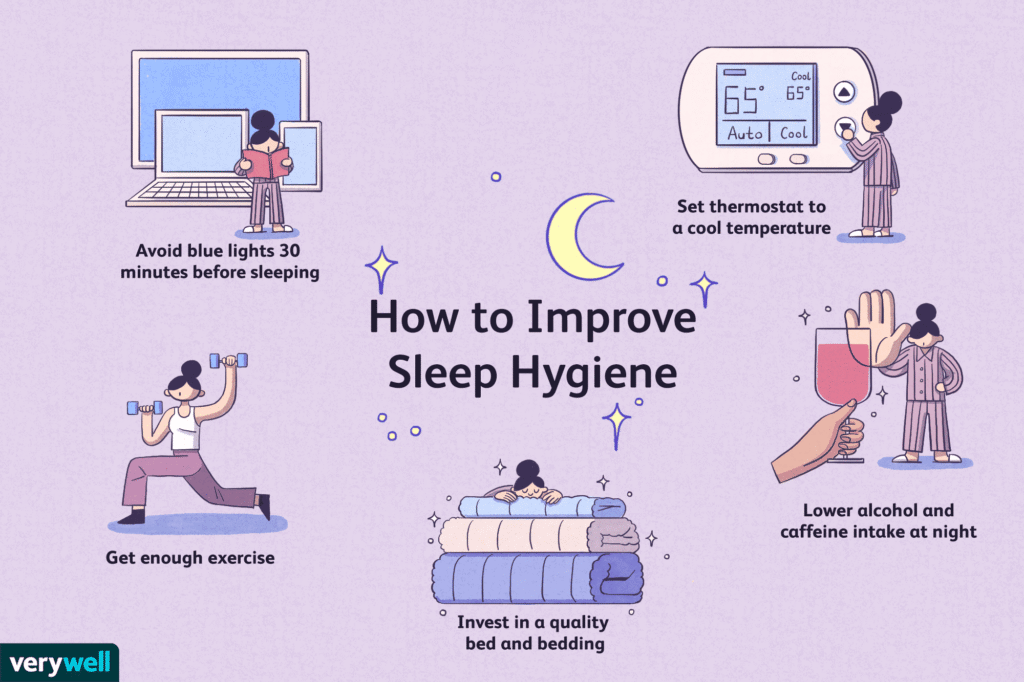
Managing the use of electronic devices can also significantly impact your sleep. Many simple lifestyle changes can help you improve sleep naturally and support better rest.
Devices like phones, computers, tablets, and televisions can keep your mind active with messages, videos, games, social media, and other stimulating content. If scrolling through your phone keeps you awake, try avoiding it before bedtime. Place your phone away from your bed if you tend to check it due to notifications. Adjusting the screen brightness on your phone or computer in the evening can also help. The goal is to reduce distractions and make your bedroom a place for relaxation, not a place for constant device use.
Sometimes, controlling your thoughts can be more difficult than controlling your environment. Knowing how to improve sleep naturally can help you make better choices about your evening routine.
Worrying about work, school, money, relationships, or what you need to do tomorrow can make it hard to fall asleep. One helpful strategy is to write down your thoughts and tasks before you go to bed. Creating a list can help you clear your mind and put your concerns on paper. You can also write down what you plan to do the next day to address any worries. This can help you stop overthinking your problems when you’re trying to fall asleep.
Breathing exercises and relaxation techniques can also help improve sleep.
Taking slow, deep breaths can help you focus on the present moment instead of thinking about your day. Gentle stretching can also relieve tension in your body, especially if you’ve been sitting or standing for a long time. These exercises should feel comfortable, not painful. The aim is to encourage relaxation rather than physical exertion.
Taking naps during the day can also be beneficial.
Short naps can be refreshing, but longer or later naps can make it harder to fall asleep at night. If you have trouble falling asleep, consider whether your napping habits may be contributing to the problem. Keeping naps short and taking them earlier in the day might work better for some people. However, everyone is different, so it’s important to pay attention to how your body responds to naps.
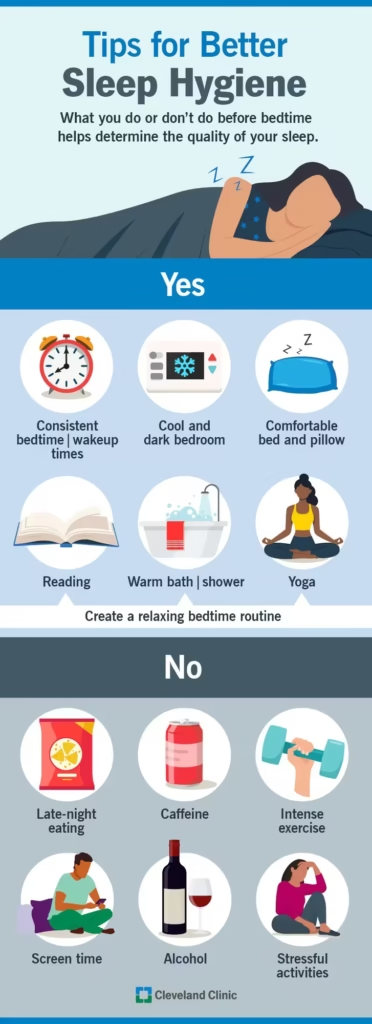
Drinking alcohol can affect your sleep even though it may make you feel sleepy at first. People interested in how to improve sleep naturally can try relaxation techniques before bedtime.
It can disrupt your sleep patterns later in the night, making your sleep less restful. Nicotine can also make it harder to relax. If you use these substances and find it difficult to quit, it might be helpful to talk to a doctor about how to reduce or stop their use.
Staying hydrated is important, but drinking too much water right before bedtime can cause you to wake up frequently to use the bathroom. A quiet bedroom and comfortable bedding can support efforts to learn how to improve sleep naturally.
If you often get up to use the bathroom at night, try to drink water evenly throughout the day. If you have a condition that affects your fluid intake, follow your doctor’s advice rather than making major changes on your own.
Your mattress and pillow can also influence how comfortable you are. Understanding how to improve sleep naturally includes limiting screen time before going to bed.
If your bed is too hard, too soft, or just not comfortable, it may be hard to find a good sleeping position. Your bedding should suit your sleeping preferences and what you find comfortable. Keeping your sheets and pillowcases clean can also make your bedroom feel fresher. You don’t need to spend a lot of money on bedding to create a comfortable sleeping environment; even small changes can make a difference in how relaxed you feel at bedtime.
Consistency is key when it comes to improving sleep naturally. This guide explains how to improve sleep naturally through practical tips and healthy lifestyle changes.
Trying something for just one night might not be enough to know if it works. Give yourself time to adjust to a new routine before deciding if it’s effective. Be realistic about what you can expect, as sleep can vary from night to night. One night that is not great does not mean your routine is not working.
If you often lie awake for a long time, wake up frequently, wake up too early, or feel very tired during the day, you may want to talk to a doctor. Learning how to improve sleep naturally can be an important part of maintaining overall health and well-being.
Sleep problems can sometimes be linked to conditions, medications, stress, breathing issues, or other factors that require individual attention. Natural sleep habits can be helpful, but they should not replace professional medical care if you have a serious or ongoing sleep problem.
How to Improve Sleep Naturally: Creating a Better Nighttime Routine
Improving your sleep quality involves more than just what you do right before bed. It starts during the day. Your body gradually prepares for rest throughout the day, and having a consistent schedule can help you transition from being active to being relaxed more smoothly. Making small changes to your daily habits, such as your routine, food, exercise, and evening activities, can all contribute to better sleep.
A great starting point is to develop a calming routine before bedtime. Understanding how to improve sleep naturally can help you build a healthier nighttime routine.
Instead of waiting until you’re extremely tired, choose a specific time each day to wind down. This could include taking a warm shower, reading a book, writing in a journal, planning your day, or listening to gentle musi c. The purpose is not to create a complicated ritual, but to send a clear signal to your mind that the busy part of the day is over. This can be especially helpful for people looking to improve their sleep, as it doesn’t require much time or money.
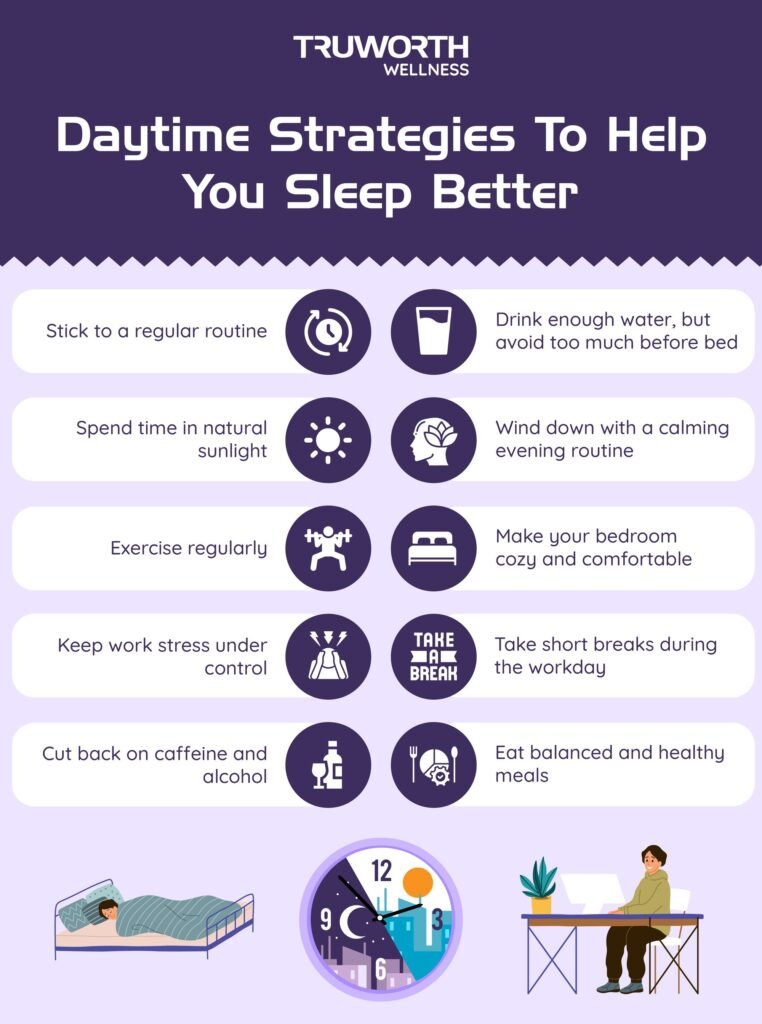
Managing device usage can also be beneficial. People who want to learn how to improve sleep naturally should try waking up at the same time every day.
Phones, computers, tablets, and TVs can stimulate your mind with messages, videos, games, and social media, making it hard to relax. If you find that using your phone keeps you awake, try avoiding it for a while before bedtime. Place your phone out of reach if you feel the need to check it due to notifications. Additionally, reducing screen brightness in the evening can help signal to your body that it’s time to wind down . The aim is to reduce distractions and turn your bedroom into a relaxing space rather than a place for constant device use.
Sometimes, controlling your thoughts can be more difficult than managing your surroundings. Discovering how to improve sleep naturally can begin with making small changes to your daily habits.
Worrying about work, school, finances, relationships, or the next day’s responsibilities can make it hard to settle down. One helpful approach is to write down your concerns or worries before bedtime. Making a list can help take those thoughts off your mind and onto paper. You can also write down the specific actions you plan to take the next day to address any concerns. This can prevent you from replaying problems in your head while trying to sleep.
Breathing exercises and gentle stretches can also support better sleep. If you want to know how to improve sleep naturally, start by keeping your bedroom dark and quiet.
Slow, deep breathing encourages you to focus on the present moment instead of dwelling on the events of the day. Light stretching can help relieve tension caused by prolonged sitting or standing. These exercises should be comfortable and never cause pain. The objective is to feel relaxed, not to engage in a workout.
Taking naps during the day can be helpful, but it’s important to consider the timing and length.
Short naps can be refreshing, while long or late naps might interfere with your ability to fall asleep at night. If you’re having difficulty sleeping at night, think about whether your napping habits might be a contributing factor. Keeping naps short and taking them earlier in the day may be more beneficial for some people. Everyone is different, so it’s important to observe how your body responds.
Alcohol can impact sleep even though it might make you feel sleepy at first. Learning how to improve sleep naturally may help you feel more refreshed after a good night’s rest.
It can disrupt your sleep later in the night and lead to fragmented sleep. Similarly, nicotine can make it harder to relax. If you use these substances and have trouble quitting or reducing use, consider talking to a doctor about strategies that work for you.
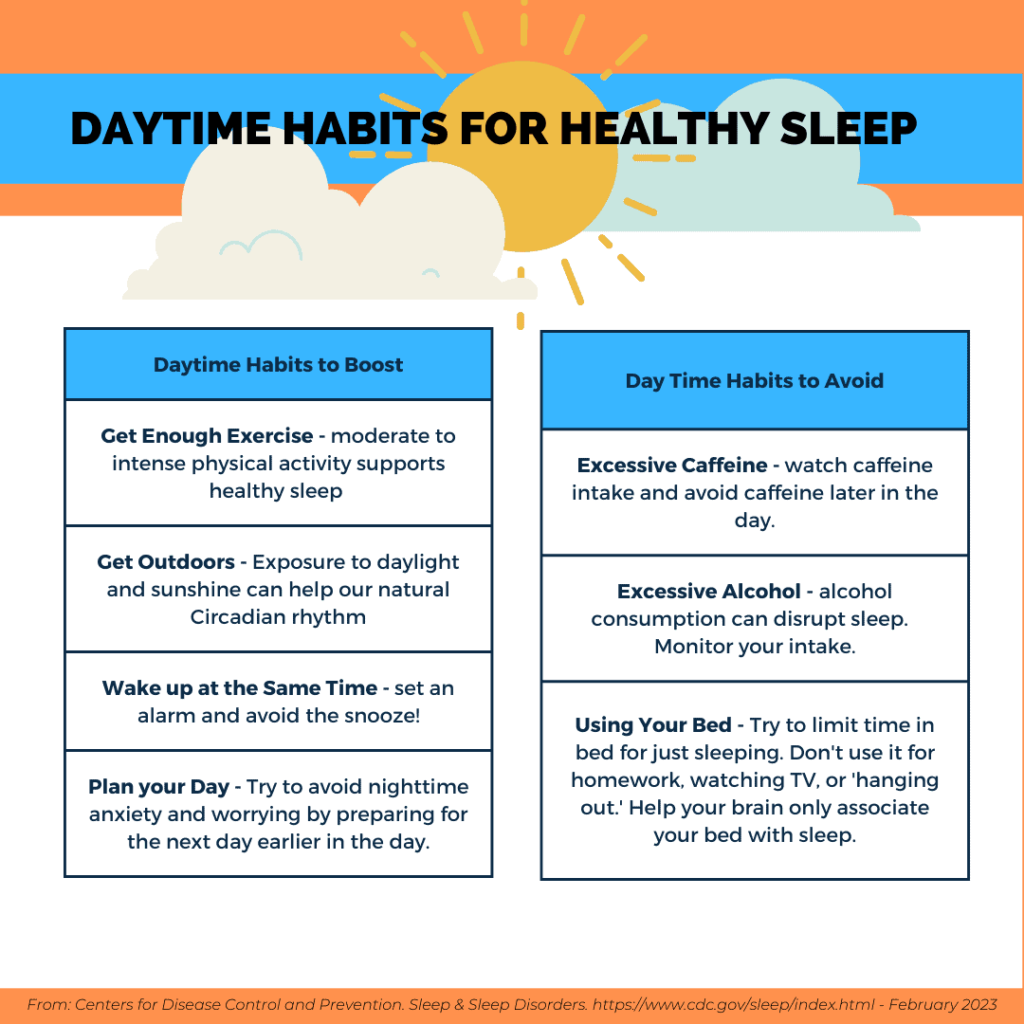
Staying hydrated is essential, but drinking large amounts of water close to bedtime can lead to frequent trips to the bathroom. Many people explore how to improve sleep naturally to improve their overall sleep quality.
If you wake up often at night, spread your water intake throughout the day. People with conditions that affect fluid intake should follow their doctor’s advice instead of making significant changes on their own.
The comfort of your mattress and pillow can also play a big role in how well you sleep. Understanding how to improve sleep naturally involves paying attention to your diet and daily activities.
If your bed is too hard, too soft, or not comfortable, it can be difficult to find a good sleeping position. Your bedding should match your sleeping preferences and comfort needs. Keeping your sheets and pillowcases clean can also help make your bedroom feel more welcoming. You don’t need to spend a lot of money on bedding to create a comfortable sleeping environment—small changes can make a big difference.
Maintaining a routine is a key part of naturally improving sleep. One useful approach to improving sleep naturally is to practice deep breathing before bedtime.
Trying something for just one night may not show results, so allow time for a routine to become a habit before deciding if it works. Also, pay attention to any changes you notice, as sleep can vary from night to night. A single night of poor sleep doesn’t necessarily mean your routine is ineffective.
If you often lie awake for extended periods, wake up frequently during the night, or feel excessively tired during the day, it’s a good idea to consult a doctor.
Sleep issues can be related to various factors like medical conditions, medications, stress, or breathing problems. Natural sleep habits can be helpful, but they shouldn’t replace professional help if you have ongoing or severe sleep problems.
How to Improve Sleep Naturally: Daytime Habits That Support Better Rest
Improving your sleep involves more than just what you do right before bed. It also depends on what you do throughout the day. Your body starts preparing for rest long before you go to sleep. Establishing a consistent routine can make it easier to transition from being active to being relaxed. Adjusting your daily schedule, diet, physical activity, and evening habits can all contribute to more peaceful nights.
To begin, consider developing a calming bedtime routine.
Instead of waiting until you’re completely exhausted, choose a specific time each day to start winding down. Activities such as taking a warm shower, reading a book, journaling, planning your day, or listening to soft music can help. The goal is not to create a complicated ritual, but to signal your mind that the day is ending. This can be especially beneficial for those looking to improve sleep, as it doesn’t require any special tools or high costs.

Controlling the use of electronic devices can also be helpful. People researching how to improve sleep naturally can benefit from maintaining a regular sleep schedule.
Phones, computers, tablets, and televisions can keep your mind occupied with messages, videos, games, and social media. These distractions can stimulate your brain and make it harder to fall asleep. If using your phone at night keeps you awake, consider avoiding it for a while before bed. Keep your phone out of reach if you tend to check it frequently due to notifications. Also, dimming the screen brightness in the evening can reduce stimulation. The idea is to make your bedroom a place for relaxation, rather than for device use.
Sometimes, thoughts can be more difficult to control than the environment around you.
Worrying about work, school, money, or future tasks can interfere with your ability to calm down. One strategy is to write down your concerns before bed. Writing down these thoughts can help clear them from your mind. You can also list what you plan to do the next day to help manage the issues on your mind. This can prevent you from ruminating over problems while trying to fall asleep.
Practicing breathing and relaxation techniques can also be beneficial for improving sleep. Knowing how to improve sleep naturally can help you identify habits that may interfere with restful sleep.
Slow, comfortable breathing can help you focus on the present instead of worrying about the past or future. Gentle stretching can relieve tension from sitting or standing for long periods. These activities should feel pleasant, not painful, and the goal is to relax rather than to work out.
Taking short naps during the day can be refreshing for some people. By following healthy sleep practices, readers can learn how to improve sleep naturally and support their well-being.
However, long or late naps may make it harder to fall asleep at night. If you have trouble sleeping at night, consider whether your napping habits might be a contributing factor. Keeping naps short and taking them earlier in the day might be more effective for some individuals. Everyone is different, so pay attention to how your body reacts to napping.
Drinking alcohol may seem to help you fall asleep, but it can disrupt your sleep later in the night and make your sleep less restful.

Nicotine can also interfere with relaxation. If you use these substances and struggle to stop or reduce their use, it might be helpful to consult a doctor.
Staying hydrated is important for overall health. Learning how to improve sleep naturally may involve spending time outdoors during daylight hours.
Drinking water throughout the day supports your body’s normal functions, but drinking too much close to bedtime can cause frequent trips to the bathroom. If you wake up often during the night, try to spread out your water intake.I f you have a medical condition that affects your fluid intake, follow your doctor’s guidance rather than making drastic changes on your own.
The comfort of your mattress and pillows can also impact your sleep. A regular evening routine can make it easier to understand how to improve sleep naturally.
If your bed is too firm, too soft, or simply uncomfortable, it can be hard to find a good sleeping position. Your bedding should be suitable for your sleeping style and personal preferences. Keeping your sheets and pillowcases clean can make your bedroom feel fresher and more inviting. You don’t need to spend a lot of money on bedding to create a comfortable sleeping environment; even small changes can make a significant difference.
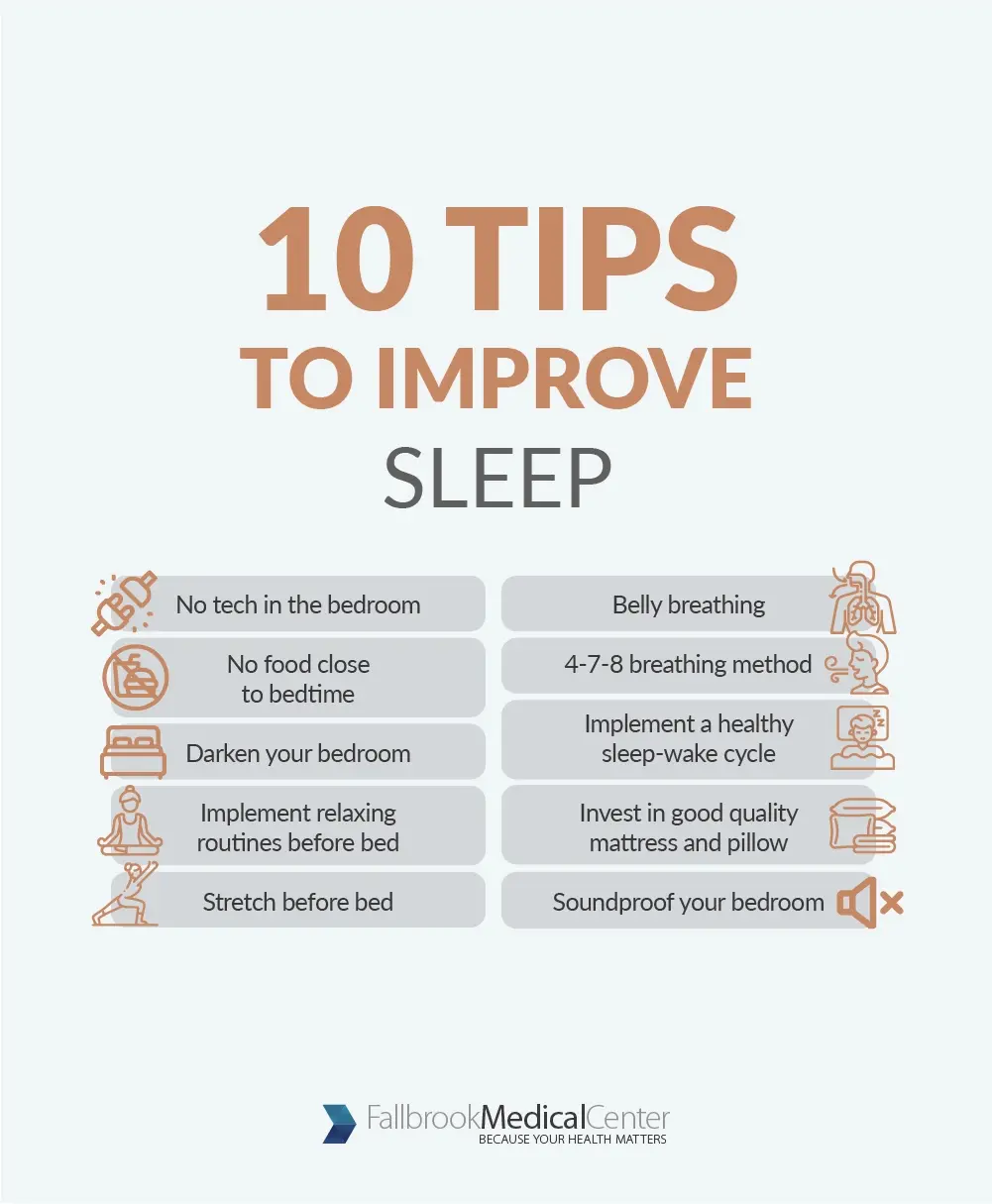
Consistency is key when it comes to improving sleep naturally.
Trying a new habit for just one night may not show results. Give it time to develop into a habit before deciding whether it’s effective. Also, keep in mind that sleep can vary from night to night. One night doesn’t necessarily mean your routine is not working.
If you frequently lie awake, wake up often, wake up too early, or feel tired during the day, it may be a sign of a sleep issue.
Sleep problems can be related to various factors such as health conditions, medications, stress, or breathing issues. While natural sleep habits can be helpful, they should not replace professional medical advice if you have persistent or severe sleep difficulties.
By combining regular daytime activity, natural light, sensible caffeine timing, balanced routines, stress management, and a comfortable sleeping environment, you can create a stronger foundation for restful nights. These habits are simple enough to fit into everyday life and can be adjusted according to your personal circumstances. The key is to make gradual changes and observe how your body responds rather than expecting immediate perfection.
.