
Future Technology Trends 2026: Innovations Shaping the Future
Technology is changing at an unprecedented speed. The year 2026 is shaping up to be a significant milestone for new digital innovations. From intelligence and robotics to smart devices and advanced computing, emerging technologies are influencing how people live, work, communicate, and solve everyday challenges. The technology trends of 2026 are particularly interesting because many technologies that once seemed experimental are now gradually becoming practical tools. Businesses, researchers, developers, and consumers are all closely following these developments to better understand what the next stage of the world might look like.
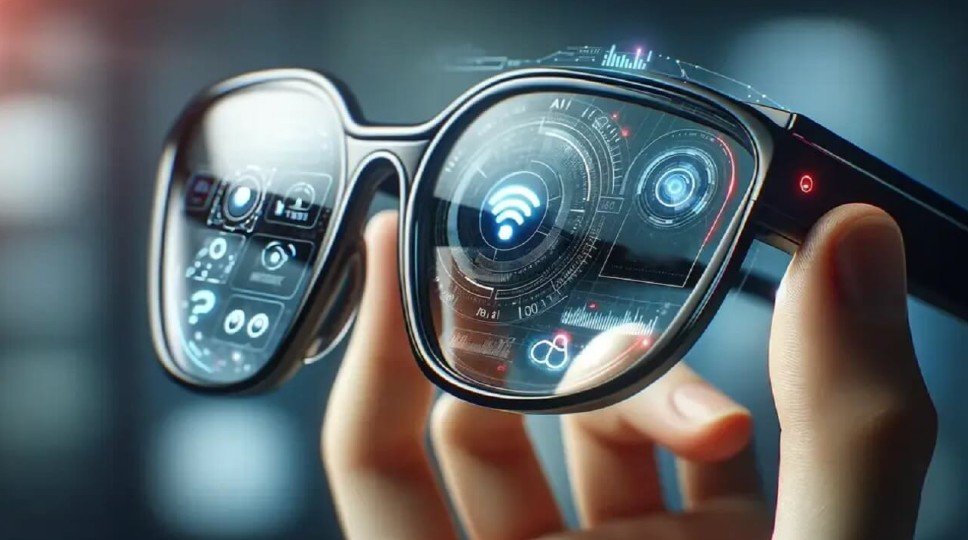
AI systems are becoming more capable of understanding language, analyzing information, generating content, and helping with various tasks. AI is no longer limited to simple automation; it’s increasingly being integrated into software, search platforms, customer service, creative applications, and business operations. As these systems improve, people may start interacting with AI in a more natural way through conversations rather than using traditional menus and commands.
Generative AI is expected to be a major part of the 2026 technology trends. Future technology trends in 2026 are expected to transform the way people live and work.
Modern generative systems can create text, images, audio, video, computer code, and other digital content based on user instructions. This technology is opening up new possibilities for designers, writers, developers, marketers, educators, and businesses. However, users still need to review AI-generated information because automated systems can sometimes produce inaccurate or misleading results. Human judgment will remain important even as AI continues to grow in capability. Understanding Future Technology Trends 2026 can help businesses prepare for digital changes.

Another important development linked to the technology trends of 2026 is the rise of AI-powered personal assistants.
Traditional digital assistants were mainly used to answer questions or perform specific commands. Newer systems are shifting towards more advanced task-based assistance. In the future, an AI assistant might help organize information, summarize documents, prepare schedules, manage tasks, and coordinate activities across different applications. This could change the way people interact with computers and smartphones.
Robotics is another field to keep an eye on. Artificial intelligence will remain a major part of future technology trends in 2026.
Robots are becoming more capable of recognizing objects, navigating environments, and performing tasks. Industrial robots are already widely used in manufacturing, while newer systems are being developed for warehouses, agriculture, healthcare, logistics, and other industries. Combining robotics with AI can allow machines to respond more intelligently to changing environments, rather than just following fixed instructions.
The 2026 technology trends also include the ongoing development of smart homes.
Connected lights, cameras, appliances, thermostats, speakers, and security systems can communicate through networks. AI has the potential to make these devices more useful by learning established routines and responding to user preferences. Rather than manually controlling each device, people may increasingly rely on automated systems that coordinate different parts of the home. Future Technology Trends 2026 include significant developments in robotics and automation.
Cloud computing will continue to support many of these innovations. Smart devices are expected to become more advanced as part of Future Technology Trends 2026.
Modern applications require large amounts of storage and processing power, and cloud infrastructure allows companies to access these resources without maintaining their own equipment. Businesses can use cloud platforms for software, data analysis, collaboration, artificial intelligence, and digital services. As more technologies become connected, flexible computing infrastructure will become even more important.
Another major area within the 2026 technology trends is edge computing. One of the most important future technology trends in 2026 is the continued growth of AI-powered tools.
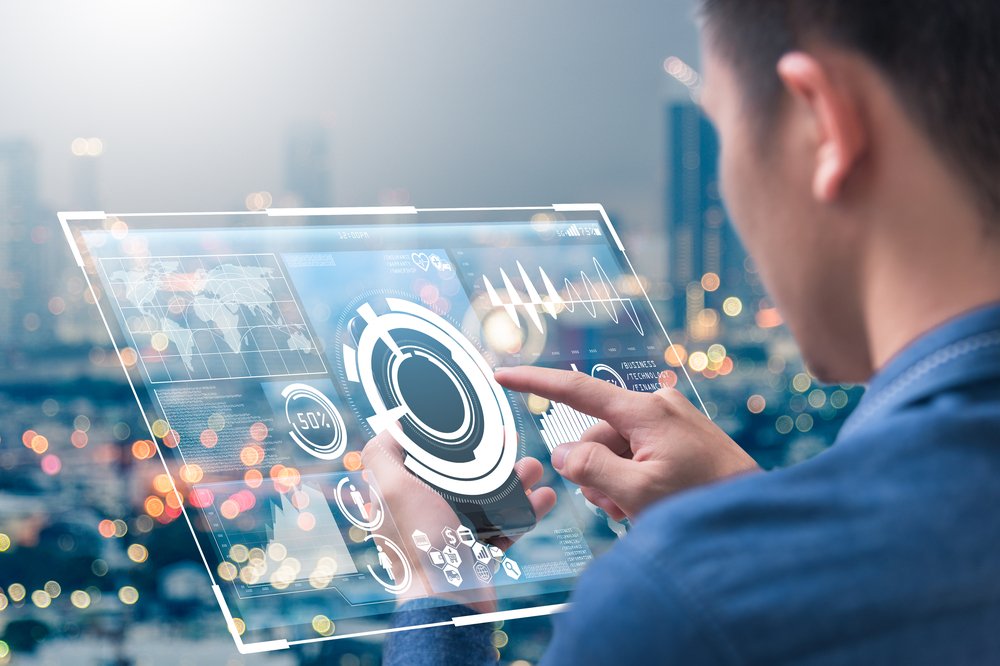
Unlike sending all data to a central cloud server, edge systems process information closer to where it is generated. This can reduce delays and improve the responsiveness of applications that require quick decisions. Connected vehicles, factories, security systems, and industrial equipment could all benefit from this approach.
The technology trends of 2026 are also closely tied to cybersecurity.
As more devices and services become connected, protecting business information becomes even more critical. AI can help security teams detect unusual activity, identify potential threats, and respond faster. However, attackers are also using advanced technologies to create more sophisticated scams and cyberattacks. This means cybersecurity will need to evolve alongside every new technological development. Future Technology Trends 2026 may introduce new ways to connect people, devices, and digital services.
Overall, the technology trends of 2026 point toward a world that is more intelligent, automated, connected, and personalized.
The biggest changes may not come from a single invention but from several technologies working together. As these innovations continue to develop, understanding their uses, limitations, and potential impact will help people prepare for the rapidly changing technological future. Businesses are closely following Future Technology Trends 2026 to improve productivity and efficiency.
Future Technology Trends 2026: Smart Devices, Connectivity, and Digital Transformation
The future technology trends in 2026 are transforming the way we use devices and how they interact with one another. Our smartphones, laptops, smartwatches, home appliances, vehicles, and other connected products are becoming more intelligent. This is due to companies incorporating advanced processors, sophisticated sensors, artificial intelligence software, and faster networks into these devices.
These devices are no longer working independently. Future technology trends in 2026 are also expected to influence cybersecurity and online privacy.
They are becoming part of digital ecosystems where information can flow between different platforms and services. The future technology trends in 2026 are making smartphones one of the most important devices. Mobile devices can already handle tasks that we once needed separate tools for, such as computers, cameras, navigation systems, and more. New smartphones are gaining more artificial intelligence features for taking pictures, translating languages, communicating, staying productive, and personalizing our experiences.
Some tasks can now be performed directly on the device without sending data to a server.
This is known as on-device processing. The future technology trends in 2026 are also increasing the popularity of wearable technology. Smartwatches, fitness trackers, smart rings, and other wearable devices can collect information about our movement, activities, and daily routines. As sensors and software improve, wearable devices will become even more useful.
They will not only display notifications or count our steps. Cloud computing will continue to support many of the future technology trends of 2026.

They will provide insights and work closely with our smartphones and other connected systems. Smart home technology is also evolving rapidly. We can already control lights, cameras, thermostats, speakers, doorbells, and appliances using our devices and voice commands. As artificial intelligence improves, smart homes will become increasingly automated.
The system will be able to recognize our usual behaviors and manage devices without manual input.
This is another key aspect of the future technology trends in 2026. Connectivity is also a crucial factor as smart devices rely on reliable networks to function. Faster networks can support data-heavy applications and quick responses. Remote work, online education, cloud gaming, streaming, connected vehicles, and smart infrastructure all benefit from improved connectivity. As more devices connect, network performance and reliability will become even more important for our digital experiences.
The future technology trends in 2026 also include edge computing.
Traditional cloud systems process data in data centers, but edge computing performs some of the processing closer to where the data is generated. This reduces delays and improves response times. For example, connected machines in factories may need to analyze data locally instead of sending it to a server and waiting for a response.
Connected transportation will also benefit from this technology.
Modern vehicles already have sensors and computer systems that monitor the surroundings and the vehicle’s performance. Future systems will use intelligence, edge computing, advanced mapping, and communication networks to offer improved driving assistance. Autonomous vehicles are still being developed. Progress in sensors and computing will gradually make vehicles more capable.
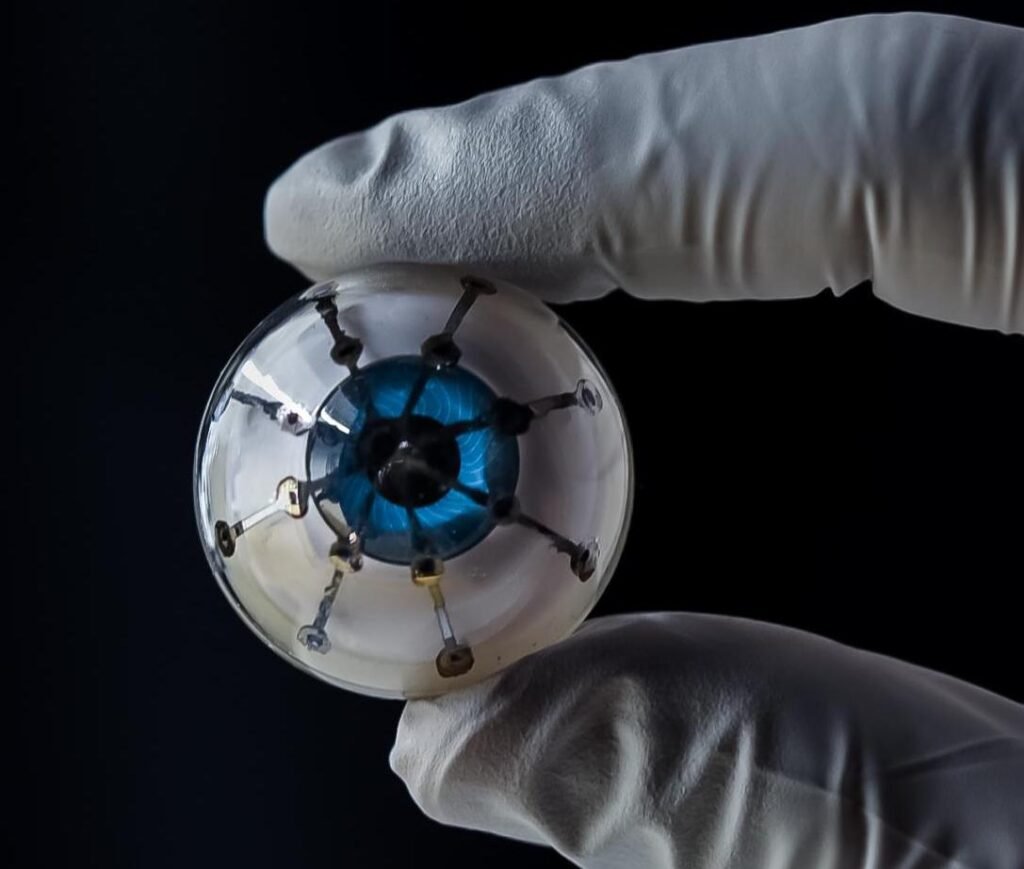
The future technology trends in 2026 are creating new opportunities for businesses.
Companies can use devices to collect information about equipment, customers, inventory, and operations. This data can be analyzed to find patterns and make informed decisions. For example, smart factories can use sensors and automated systems to monitor machines and detect problems before they cause major issues.
Digital twins are another technology to watch. Robotics could become more useful across different industries through Future Technology Trends 2026.
A digital twin is a replica of a physical object, system, or environment. Businesses can use these models to monitor equipment, test changes, analyze performance, and understand how a system might behave in different conditions. This technology has the potential to be highly valuable in manufacturing, construction, transportation, and infrastructure management.
As connectivity continues to expand, privacy will remain a major concern. Future Technology Trends 2026 may make everyday technology more personalized and intelligent.
Smarter devices often require access to information about our habits, locations, and preferences. Companies must ensure security and provide clear privacy controls to maintain our trust. We should also be aware of what information our devices collect and regularly check our privacy settings.
In summary, the future technology trends in 2026 are leading us toward a world where devices are not only smarter on their own but also more connected to each other. The development of advanced AI is one of the key areas within Future Technology Trends 2026.
Our smartphones, wearables, homes, vehicles, cloud platforms, and industrial systems will work together as part of digital networks. This will provide convenient services, but it also makes security, privacy, reliability, and responsible technology design more important than ever. Future Technology Trends 2026 could change how consumers interact with smartphones and smart devices.
Future Technology Trends 2026: Robotics, Automation, and the Changing Workplace
The future technology trends in 2026 are expected to greatly influence workplaces. Companies are likely to rely more heavily on intelligence, automation, robotics, and cloud-based systems. They aim to make work more efficient so that employees can focus on tasks requiring creativity, communication, judgment, and problem-solving. This does not suggest that all human jobs will vanish. Instead, many roles will evolve as workers begin to incorporate these tools into their everyday work.
Robotics is one area that will undergo significant transformation. Edge computing is another technology worth watching among Future Technology Trends 2026.
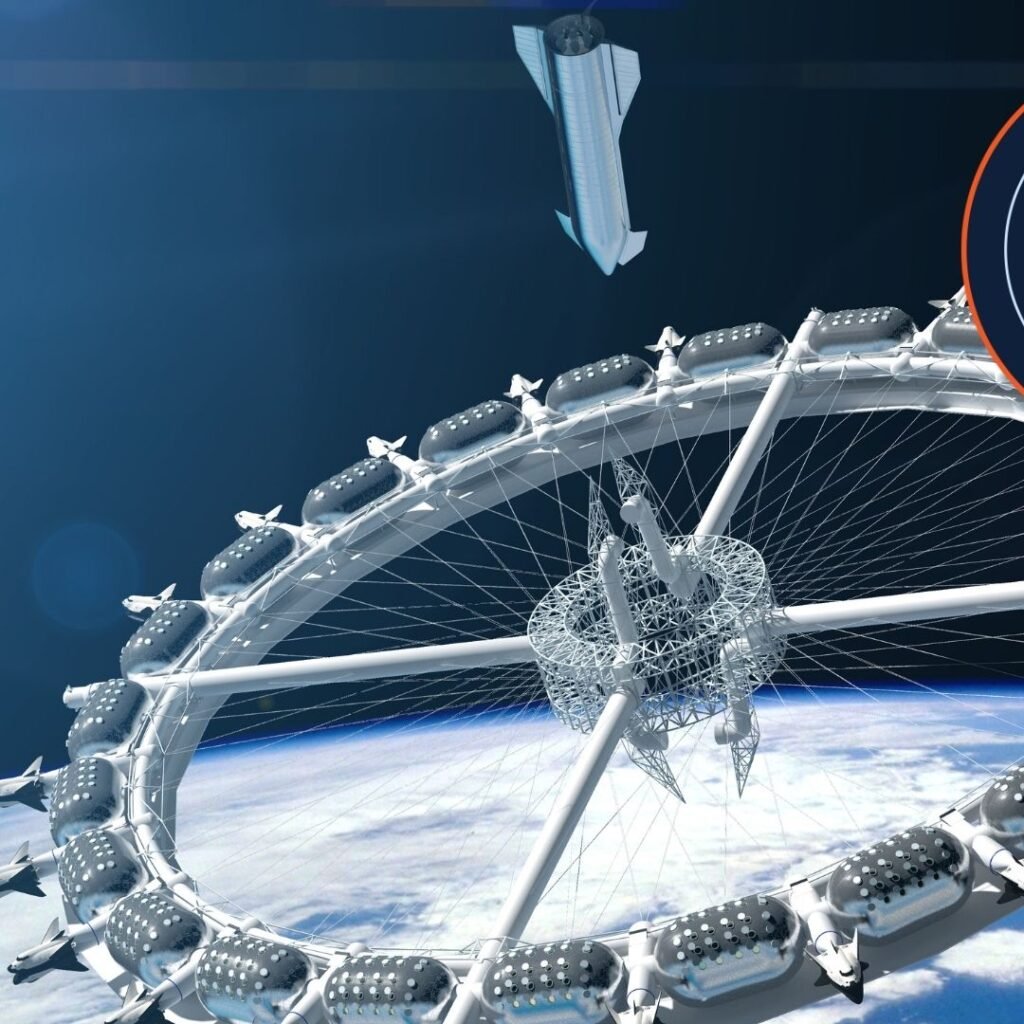
Current robots are already being used in factories, warehouses, and other controlled environments. They handle tasks such as moving goods, assembling products, sorting materials, and aiding in production. Looking ahead, the future technology trends in 2026 suggest that integrating robotics with advanced intelligence could make these machines more adaptable. These machines will be able to recognize objects, understand their surroundings, and respond to different situations.
Another major development is warehouse automation. Future Technology Trends 2026 may create new opportunities for businesses and technology professionals.
With an increasing number of consumers, there is a growing need for fast and well-organized fulfillment systems. Automated machines can assist in locating products, transporting packages, and managing inventory. They can also help with repetitive tasks. AI-powered software can analyze stock levels and customer demand to support better planning and decision-making. As these systems improve, warehouses will become more efficient, allowing human workers to focus on tasks that require supervision, maintenance, problem-solving, and adaptability.
Intelligent business automation is also part of the future technology trends in 2026.
Many organizations already use software to handle routine digital tasks such as sorting information, creating reports, processing documents, answering common questions, and managing schedules. Advanced systems will be able to manage multiple tasks within a single workflow, reducing the amount of time employees spend on administrative work.
Healthcare is another field where intelligent technology will play a role.
AI systems can help organize information, analyze data, and support administrative processes. Robotics may also be used in medical procedures and other healthcare applications. However, medical technology must be tested and monitored by trained professionals because accuracy and patient safety are of utmost importance. The goal is to support healthcare professionals, not to replace them.
Agriculture is also changing due to future technology trends in 2026. Healthcare could benefit from several innovations included in Future Technology Trends 2026.
Farmers can use drones, sensors, connected machinery, satellite data, and analytical tools to monitor crops and environmental conditions. Automated systems can help identify areas needing attention or optimize resource usage, such as water. These technologies will become more valuable as agricultural businesses seek ways to manage large areas and respond to changing environmental conditions.
Transportation is another sector where technology is quickly advancing. Future Technology Trends 2026 are likely to influence transportation, manufacturing, and agriculture.
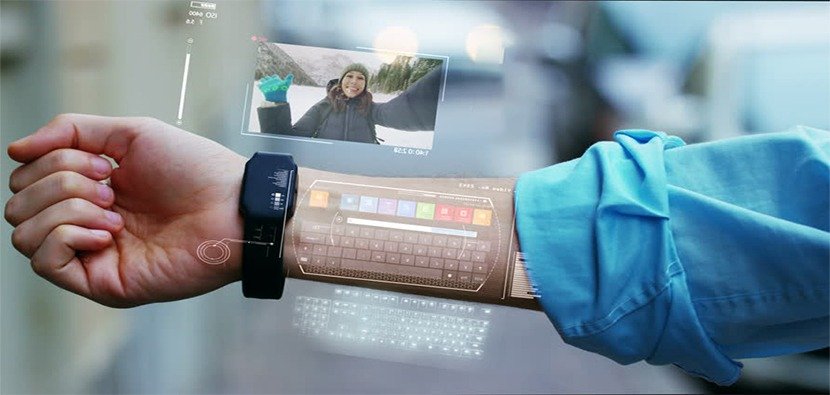
Modern vehicles already use sensors and computer systems to provide features like parking assistance, collision warnings, navigation support, and adaptive driving functions. The continued development of intelligence, sensors, mapping, and high-performance computing could lead to more advanced driver assistance systems. While fully autonomous transportation remains a complex challenge, ongoing research and innovation are continuing to push the boundaries.
Digital twins are also becoming part of the future technology trends in 2026.
A digital twin is a virtual model of a physical object, machine, building, or process. Real-world data can be used to update the model, allowing businesses to monitor performance and test changes in a digital environment. This can be beneficial in areas such as manufacturing, construction, transportation, energy, and infrastructure planning. The growing use of automation is a key development in Future Technology Trends 2026.
The workplace itself is becoming more digital.
Cloud-based collaboration tools, virtual meetings, project management platforms, and AI assistants allow employees to work together regardless of location. Businesses can use these technologies to organize information, communicate with teams, and manage projects efficiently. As remote and hybrid work models continue to develop, secure infrastructure will remain essential.
These changes also indicate that workers may need to develop new skills.
Being able to use intelligent tools, evaluate automated results, protect digital information, and adapt to new software will become increasingly valuable. At the same time, human abilities such as critical thinking, creativity, leadership, communication, and emotional intelligence will remain important because technology cannot replace every aspect of human judgment.
In the end, the future technology trends in 2026 will not just automate everything but will reshape workplaces in a way that balances technology and human expertise.
Companies that use automation responsibly, train their employees, protect their information, and maintain oversight can gain significant benefits while minimizing unnecessary risks. The future technology trends in 2026 are about finding this balance and using technology to support workers rather than replace them.
Future Technology Trends 2026: What the Next Digital Era Could Bring
The future technology trends for 2026 are expected to continue improving automation, making tasks more personalized, connecting various systems, and supporting better decisions. As artificial intelligence becomes more advanced and computer power increases, technology might become more integrated into daily life, becoming less visible. Future systems are likely to anticipate user needs, organize information, and handle routine tasks automatically.

One important trend to watch is personalized intelligence.
Today, artificial intelligence can already create content, answer questions, summarize information, and assist with work tasks. In the future, these systems may become even better at understanding individual preferences and requirements. An assistant could learn how a person works, manage the most commonly used information, and provide timely suggestions. This means that future technology trends for 2026 will shift digital experiences from command-based interactions toward continuous, proactive assistance.
Education is another area that will experience significant changes. Future Technology Trends 2026 may also encourage companies to invest more heavily in digital security.
Artificial intelligence can help students learn by explaining concepts, offering practice questions, summarizing material, and generating learning resources. Students can now study subjects at their own pace, while teachers can focus on more meaningful tasks by using automation to handle repetitive work. Technology is meant to support educators, not replace them, as human qualities like guidance, creativity, communication, and critical thinking remain essential for effective learning.
The future technology trends for 2026 will also influence environmental thinking.
Technology companies are exploring ways to make computers more energy-efficient, manage energy better, develop better batteries, and use renewable energy sources. Smart systems can monitor energy usage and identify ways to reduce waste. By analyzing data and automating operations, businesses can increase efficiency and reduce resource consumption.
Another area to observe is computing.

Regular computers are becoming more powerful. Researchers are exploring new methods to tackle complex challenges. Quantum computing is still emerging, but it has the potential to revolutionize scientific research, improve efficiency, develop new materials, and address other complex issues. Although not widely used yet, progress in this field could lead to significant changes in industries that rely on complex calculations.
As digital systems become more interconnected, cybersecurity will become increasingly important.
Future technology trends for 2026 involve using intelligence for both defense and offense. Security teams can use intelligence to detect unusual activity and identify threats, while attackers might exploit artificial intelligence to create more convincing scams or automate harmful actions. This means that we need stronger authentication, continuous monitoring, secure software, and greater awareness of digital threats.
Privacy is also a growing concern.
Smart devices and artificial intelligence rely on a lot of data to provide useful services. Users want to know what data is collected, how long it is stored, and who has access to it. Technology companies must be transparent about their data policies and provide users with control over their privacy.
The connection between digital worlds is growing stronger. Consumers can expect smarter and more connected products as Future Technology Trends 2026 continue developing.
Smart factories, connected vehicles, wearable devices, smart buildings, and automated infrastructure all rely on sensors, software, communication networks, and data analysis. Future technology trends for 2026 suggest that this integration will continue, leading to systems that can respond to real-world conditions in more sophisticated ways.
Not every new technology will be successful.
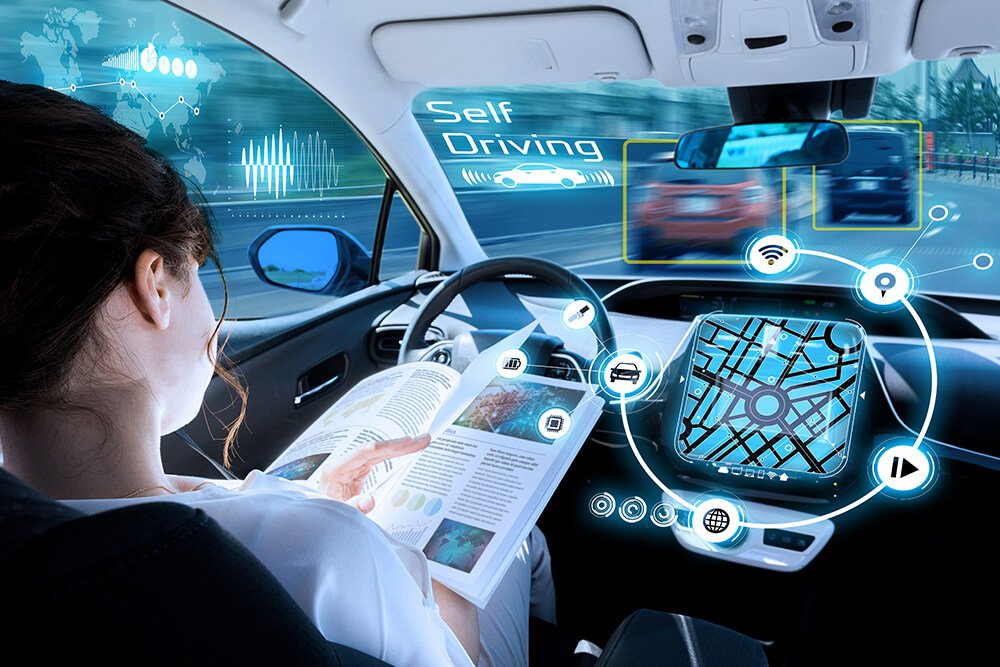
Some products may fail due to high costs, poor usability, or a lack of real-world need. Others might develop faster than expected. For both consumers and businesses, it’s important to distinguish between genuine innovation and hype. Evaluating how technologies are used in practice, their reliability, security, cost, and long-term usefulness can help determine if they are worth investing in.
The future technology trends for 2026 are part of an ongoing transformation rather than a single technological breakthrough.
Artificial intelligence, robotics, cloud computing, edge computing, smart devices, advanced networks, and cybersecurity are all interconnected. As these technologies evolve together, they may change how people interact with systems and how businesses operate.
For those interested in technology, staying informed is becoming more valuable. Future Technology Trends 2026 could make many routine tasks faster through intelligent automation.
Learning about artificial intelligence, understanding digital security, following key developments, and using useful tools responsibly can help individuals adapt to technological changes. The future is not about using more technology but about using it more intelligently and responsibly.
As 2026 progresses, future technology trends will continue to develop through research, product launches, software improvements, and shifting consumer expectations.
Some developments will become widely adopted tools, while others may remain specialized for years. The most impactful innovations will likely be the ones that solve real problems, increase efficiency, provide greater access, or make difficult tasks easier. Sustainable technology is becoming increasingly relevant to Future Technology Trends 2026.